
At the Humane Society of Carroll County, every animal who comes through our doors receives compassionate care—but not every case is straightforward.
While many pets need routine care, others arrive with more complex medical needs that require advanced diagnostics, long-term treatment, and ongoing support. These cases highlight both the challenges of shelter medicine and the incredible role our community plays in helping animals heal.
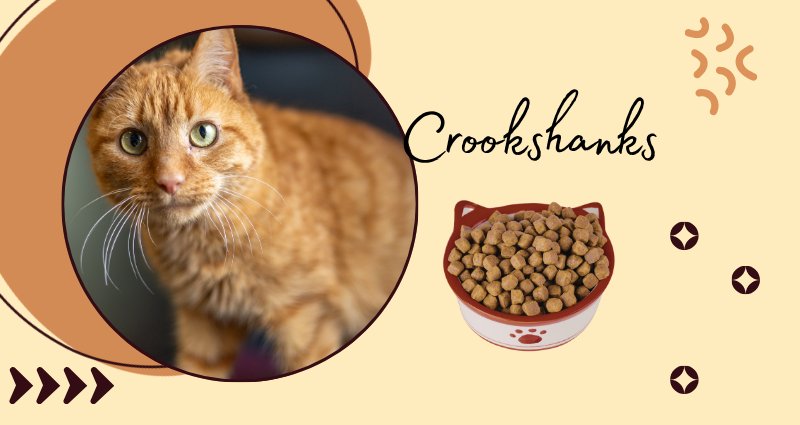
Meet Crookshanks
Crookshanks is a 5-year-old neutered male domestic shorthair who has been dealing with chronic diarrhea that did not respond to standard in-house treatments. After pursuing more advanced diagnostics, he was diagnosed with small intestinal dysbiosis.
The good news?
Crookshanks is otherwise bright, comfortable, and doing well clinically.
The challenge?
This is a lifelong condition that requires ongoing management, including specialized diets and medical support.
What is Intestinal Dysbiosis—and Why Is It So Common?
Intestinal dysbiosis refers to an imbalance of the normal bacteria that live in the digestive tract. A healthy gut contains a complex community of microorganisms that help with digestion, nutrient absorption, and immune function. When that balance is disrupted, it can lead to symptoms like chronic diarrhea, weight loss, and poor nutrient absorption.
The reality is—this condition is more common than many people realize, especially in shelter environments.
Why?
- Stress plays a major role. Changes in environment, routine, and social structure can disrupt the gut microbiome.
- Diet changes. Many animals come to us with unknown or inconsistent diet histories, and even necessary diet transitions can affect gut balance.
- Previous medical history. Parasites, infections, or prior antibiotic use can alter normal gut bacteria.
- Weakened immune systems. Animals entering shelters may already be compromised, making them more susceptible to gastrointestinal issues.
Because of these factors, it’s not unusual for shelters to see frequent cases of diarrhea—ranging from short-term (acute) to long-term (chronic) conditions like Crookshanks’.
The Complexity of Shelter Care
Shelters today are more than temporary housing—we are often the only place where animals with ongoing medical needs can receive care.
Cases like Crookshanks require:
- Advanced diagnostics
- Long-term dietary management
- Ongoing monitoring and treatment
And while he is thriving now, his care will continue throughout his life.
How You Can Help
One of the most impactful ways to support animals like Crookshanks is by donating GI-supportive prescription diets, which are essential for managing both chronic and acute gastrointestinal issues.
We are currently in need of:
- Hill’s i/d
- Royal Canin Gastrointestinal
- Purina EN
These diets help stabilize digestion, support gut health, and are used daily for many animals in our care—not just those with long-term conditions.
In addition to supply donations, we ask you to consider making a financial donation to support the medical care of animals like Crookshanks. Ongoing diagnostics, medications, and specialized diets can add up quickly, and your support allows us to continue saying “yes” to animals with complex needs.
💛 Donate here: https://humanesocietycarrollcounty.org/support/
Every contribution—whether a bag of food or a monetary gift—helps us provide the care these animals need to feel better and thrive.
An Opportunity to Learn & Make a Difference
Crookshanks’ story is a reminder that some conditions aren’t visible at first glance—but they are incredibly important.
With the right care, animals with intestinal dysbiosis can live happy, comfortable lives. Education, patience, and proper nutrition make all the difference.
Be Part of Their Story
Every donation, every share, every act of support helps us continue saying “yes” to animals who need more.
Because of you, animals like Crookshanks don’t get overlooked—they get the care they deserve.
Donations can be dropped off in the blue bins just inside our front door during open business hours, or shipped directly to us at:
2517 Littlestown Pike
Westminster, MD 21158
View our wish list here:
https://humanesocietycarrollcounty.org/wish-list/
**We accept open bags of pet food (as long as not expired).